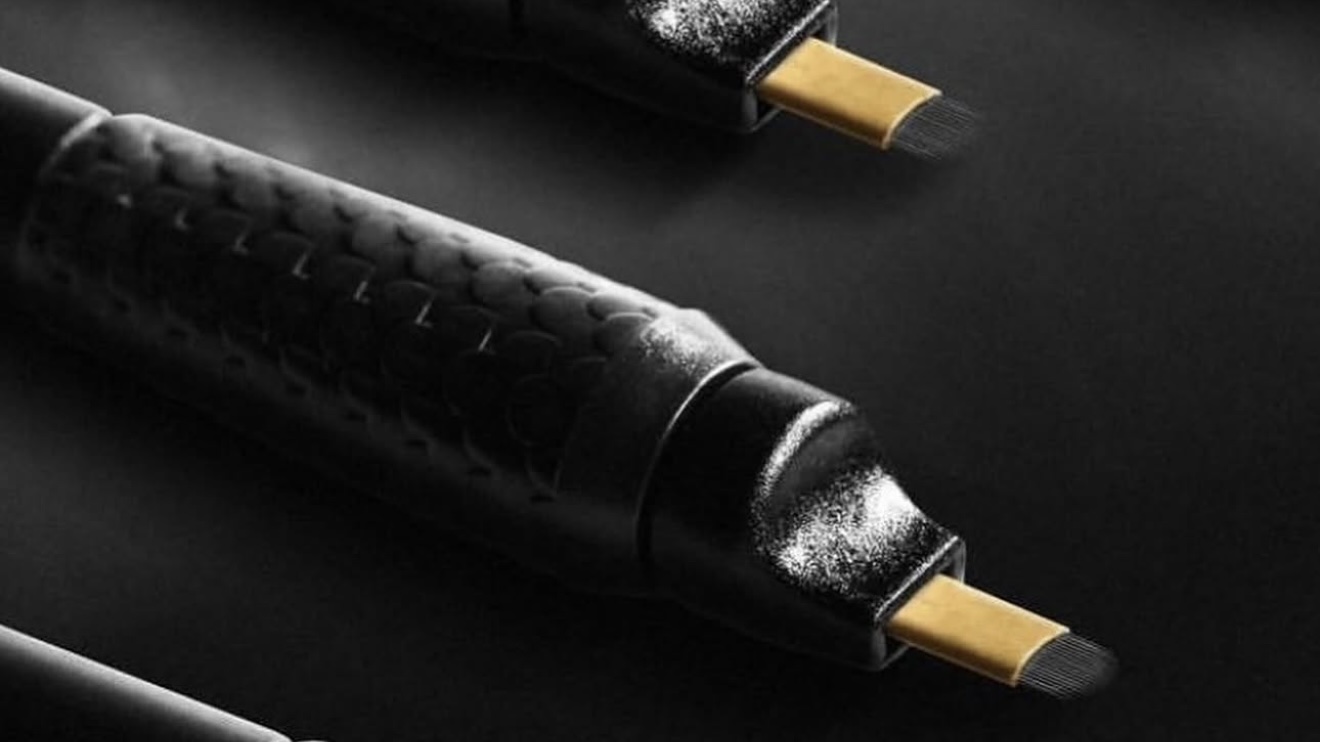
Microblading has remained one of the most searched and recognized eyebrow enhancement procedures in Calgary for more than a decade. Known for its ability to create natural-looking hair strokes, the technique became popular among clients looking for fuller, more defined brows without the need for daily makeup.
Although newer machine-based techniques have gained popularity in recent years, microblading continues to attract significant interest from clients researching permanent makeup options in Calgary.
What is Microblading?
Microblading is a semi-permanent cosmetic procedure designed to enhance the appearance of eyebrows by creating fine, hair-like strokes that mimic natural brow hairs. The technique became popular as a way to achieve fuller and more defined eyebrows while maintaining a natural look.
Unlike traditional eyebrow tattooing, microblading is performed using a handheld manual tool rather than a machine, making it one of the most recognizable forms of manual permanent makeup.
How Does Microblading Work?
During the procedure, a trained artist uses a handheld tool fitted with ultra-fine needles arranged in a blade-like formation. Tiny superficial incisions are created in the skin while pigment is simultaneously deposited into the upper layers of the epidermis.
Each stroke is carefully placed to replicate the direction, length, and flow of natural eyebrow hairs, creating the appearance of fuller brows without the solid look often associated with traditional tattooing.
Is Microblading a Tattoo?
Technically, yes — microblading is a form of cosmetic tattooing or permanent makeup. Like other PMU procedures, it involves depositing pigment into the skin to create long-lasting results.
However, unlike traditional body tattoos, microblading uses specialized pigments designed to fade gradually over time and is typically performed at a shallower depth in the skin. The goal is to create soft, natural-looking hair strokes rather than the solid appearance often associated with conventional tattoos.
Because of these differences, microblading is generally considered a semi-permanent cosmetic procedure rather than a permanent tattoo in the traditional sense.
Does Microblading Hurt?
Microblading is generally considered more uncomfortable than many modern machine-based permanent makeup techniques because it uses a manual hand tool to create fine hair-like strokes in the skin rather than individual needle insertions performed by a digital machine.
To improve client comfort, many artists apply a topical numbing cream before the procedure begins. In microblading, pre-numbing is commonly used because the procedure involves repeated manual strokes across the same area of skin.
Most clients describe the sensation as scratching, pressure, or vibration rather than sharp pain. However, pain perception varies significantly depending on individual sensitivity, stress levels, hormonal factors, and previous permanent makeup experience.
The front of the eyebrows is often reported as the most sensitive area during the procedure. This region contains denser tissue and may feel more uncomfortable for some clients compared to the arch or tail of the brow.
Mild tenderness, redness, and sensitivity during the first few days after the procedure are considered a normal part of the healing process.
Microblading Healing Process
The healing process after microblading is generally similar to other forms of permanent makeup and machine-based brow techniques. Immediately after the procedure, the eyebrows often appear darker, sharper, and more defined than the final healed result.
During the following days, clients may experience mild redness, dryness, tightness, and flaking as the skin begins its natural recovery process. As healing progresses, the color typically softens and lightens before gradually returning as the skin fully regenerates.
While every client heals differently, the complete healing process usually takes several weeks, and a perfecting touch-up appointment is often recommended to refine the final result.
Because the healing stages of microblading are very similar to other permanent makeup procedures, we have created a detailed day-by-day healing guide that explains exactly what to expect throughout the recovery process.
Read our complete healing timeline here:
Permanent Makeup Aftercare & Healing Guide
How Long Does Microblading Last?
Microblading is considered a semi-permanent procedure, but the terms “semi-permanent” and “temporary” can sometimes be misleading.
For most clients, the crisp, natural-looking hair strokes that make microblading attractive tend to look their best during the first 12 to 24 months after treatment.
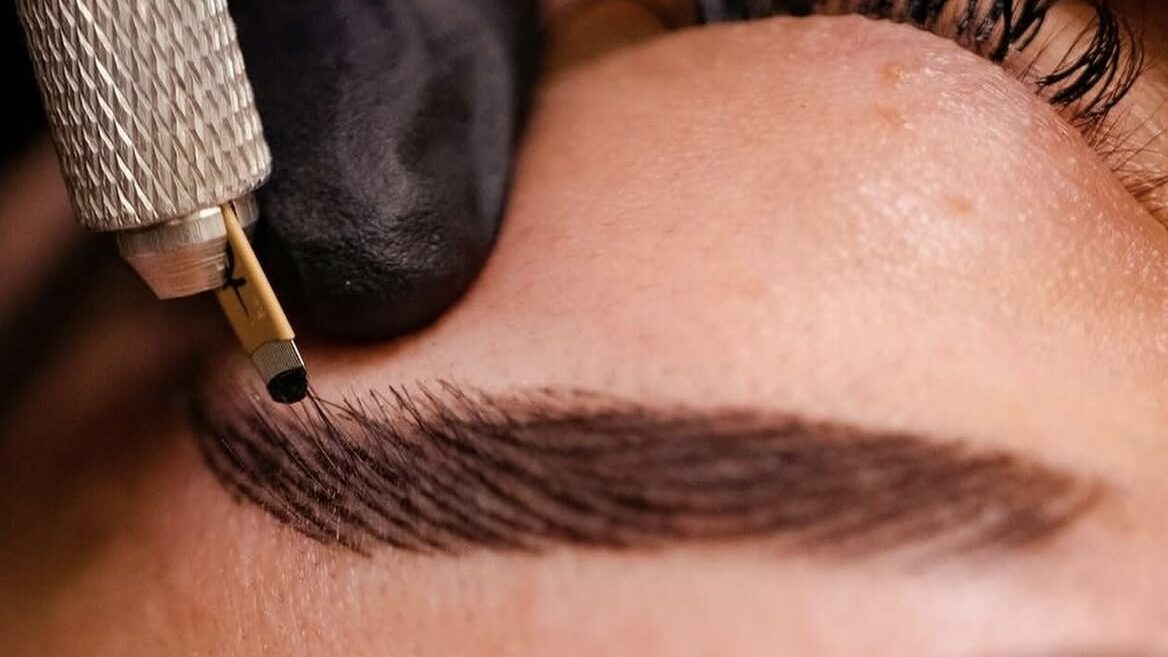
Over time, individual strokes often become softer, less defined, and may gradually blend together as pigment disperses within the skin. This aging process varies significantly depending on skin type, healing characteristics, sun exposure, lifestyle, and the depth of pigment implantation.
While the aesthetic appearance of microblading may change over time, residual pigment can sometimes remain visible in the skin for many years after the original procedure.
Repeated treatments performed over the same area may further influence how the skin and pigment age over time, which is one of the reasons many artists carefully evaluate existing work before performing additional touch-ups or corrections.
Because of these long-term considerations, many modern PMU artists now use machine-based techniques such as Nano Brows, which can offer greater control over pigment implantation and may provide more predictable aging characteristics across different skin types.
Microblading Cost in Calgary
The cost of microblading in Calgary can vary depending on the artist, studio location, experience level, and whether a touch-up appointment is included in the initial treatment price.
In 2026, most microblading procedures in Calgary typically range between $350 and $700 CAD, with some studios charging more for correction work, advanced techniques, or additional services.
Initial appointments commonly include:
- Consultation and brow mapping
- Custom brow design
- The initial procedure
- Aftercare instructions
- A touch-up appointment, depending on the studio’s policy
When choosing a permanent makeup artist, it is often helpful to review healed results, client reviews, and the artist’s experience with your specific skin type rather than focusing on price alone.
Does Microblading Work on Oily Skin?
Microblading can be performed on oily skin, but the results are often less predictable compared to normal or dry skin types.
Because microblading creates individual hair strokes using fine manual incisions in the skin, excess oil production and larger pores may cause the strokes to heal softer and lose definition more quickly over time.
Machine-based hair stroke techniques such as Nano Brows may sometimes provide improved retention and more controlled healed results because the hair strokes are created through a series of precise pigment implantations rather than a continuous manual stroke. However, Nano Brows are still considered a hair stroke technique and may also present challenges on very oily skin.
For clients with oily skin, enlarged pores, or concerns about long-term retention, many artists often recommend Powder Brows, which tend to provide softer healed results and more predictable longevity across a wider range of skin types.
Another option that may work well for some clients is a combination approach, often referred to as Combo Brows or Hybrid Brows. In this technique, soft shading is combined with a limited number of hair strokes, usually concentrated at the front of the brows, creating a natural appearance while maintaining better long-term retention than a full hair stroke procedure.
Because every skin type behaves differently, the most suitable technique is usually determined during an individual consultation based on skin characteristics, pore size, oil production, and the client’s desired result.
Learn more about Powder and Combo Brows here:
Powder Brows Calgary → Powder Brows Calgary
Combo Brows → Brows Permanent Makeup Calgary
Can Microblading Cause Scarring?
When performed correctly by an experienced artist, microblading is generally intended to heal without visible scarring. However, because the procedure involves creating manual incisions in the skin, the long-term interaction between the skin and repeated treatments deserves careful consideration.
The likelihood of textural changes depends on many factors, including skin type, healing characteristics, the depth of pigment implantation, aftercare, and the number of procedures performed over the same area.
Some clients may maintain satisfactory results for many years, while others may notice that individual hair strokes become softer or less defined over time.
Repeated touch-ups performed over the same strokes can gradually affect how the skin heals and retains pigment, which is why many artists carefully assess existing work before recommending additional procedures.
Modern machine-based techniques such as Nano Brows, Combo Brows, and Powder Brows use controlled needle implantation rather than manual incisions, allowing for greater consistency in pigment placement and depth control.
While no permanent makeup technique is entirely free from the risks associated with overworking the skin or excessively deep pigment implantation, many artists consider machine-based procedures to offer more predictable long-term skin behavior, particularly when future refresh appointments are expected.
In addition to Nano Brows, clients seeking a softer and longer-lasting alternative to microblading may also benefit from Combo Brows or Powder Brows, depending on their skin type, pore size, and desired appearance.
Microblading vs Nano Brows
Microblading and Nano Brows are both designed to create natural-looking hair strokes that mimic the appearance of real eyebrow hairs. However, the way these results are achieved differs significantly between the two techniques.
| Feature | Microblading | Nano Brows |
|---|---|---|
| Technique | Manual | Machine |
| Tool | Handheld blade | Digital PMU machine |
| Pigment implantation | Manual strokes | Controlled needle implantation |
| Skin trauma | Higher | Lower |
| Oily skin | Less predictable | Often more predictable |
| Large pores | Less suitable | Often more suitable |
| Long-term stroke definition | May soften faster | Often remains more defined |
| Touch-ups over time | Require careful assessment | Generally more predictable |
| Best suited for | Normal to dry skin | Wider range of skin types |
One of the main differences between the two techniques lies in how individual hair strokes are created and implanted into the skin.
In microblading, each hair stroke is created using a handheld blade that forms a continuous manual incision in the skin while simultaneously depositing pigment along that line.
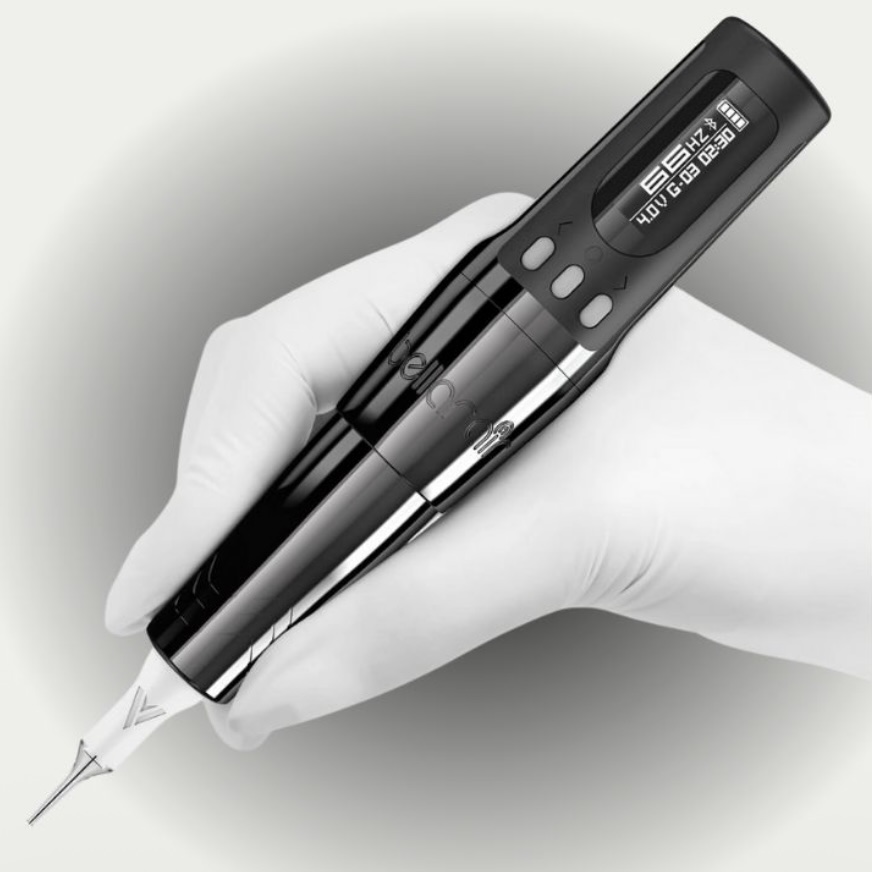
In Nano Brows, the hair stroke is created using a digital machine and a single needle. Rather than creating one continuous incision, the machine builds the stroke through a series of controlled pigment implantations performed at a carefully regulated needle depth.
Because the machine operates with consistent needle movement and controlled penetration, many artists consider Nano Brows to offer greater precision and predictability in pigment placement, particularly when working with challenging skin types such as oily skin or enlarged pores.
Both techniques can produce beautiful and natural-looking healed results when selected appropriately for the client’s skin type and performed by an experienced artist.
Modern Alternatives to Microblading
While microblading remains a popular procedure and can produce beautiful results for the right candidate, the permanent makeup industry has evolved significantly over the last decade.
Today, many artists offer modern machine-based techniques that provide greater flexibility across different skin types and aesthetic preferences while maintaining a natural appearance.
Some of the most popular alternatives to traditional microblading include:
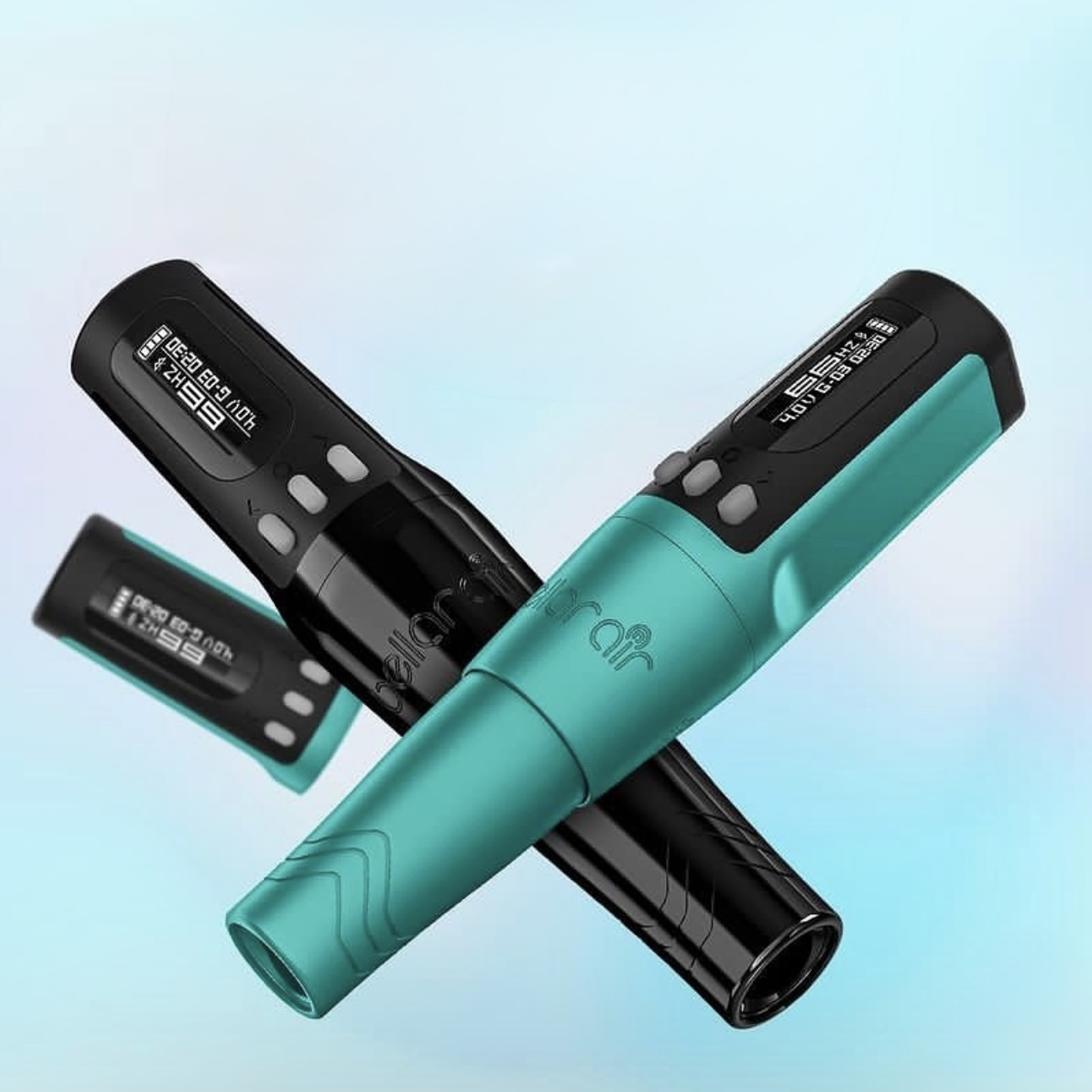
Nano Brows — a machine-based hair stroke technique designed to mimic natural eyebrow hairs using a digital PMU machine and a single needle. Nano Brows can provide exceptional detail and are often considered for clients seeking a soft and realistic hair stroke appearance.
Powder Brows — a soft shading technique that creates a healed appearance similar to eyebrow makeup or a softly filled-in brow pencil effect. Powder Brows are frequently recommended for clients with oily skin, larger pores, or those looking for long-term softness and definition.
Combo Brows — a hybrid approach that combines hair strokes with soft shading. Many artists place hair strokes primarily at the front of the brow while using shading throughout the body and tail of the eyebrow to create a natural yet fuller appearance.
The most suitable technique depends on many factors, including skin type, pore size, previous permanent makeup, lifestyle, maintenance expectations, and desired healed results.
For this reason, many artists prefer to recommend a procedure only after an individual consultation and skin assessment rather than relying on a single technique for every client.
Explore Nano Brows Calgary → Nano Brows Calgary | Hair Stroke Brows
Learn more about Powder Brows Calgary → Powder Brows Calgary
Discover Combo Brows and Permanent Brow Makeup options → Brows Permanent Makeup Calgary
Before & After Gallery → Calgary Permanent Makeup Before & After Gallery
Read our PMU Healing Guide → Aftercare & Healing Guide
Interesting Facts About Microblading
Microblading has Asian origins
Although microblading became extremely popular in North America during the 2010s, the technique itself originated in Asia many years earlier and was often referred to as “eyebrow embroidery” or “feathering.”
While manual brow techniques continued to evolve throughout Asia, many European PMU artists increasingly focused on machine-based pigmentation systems and digital permanent makeup technologies.
Microblading is not the only manual PMU technique
Many people associate manual permanent makeup exclusively with hair stroke procedures such as microblading. However, manual tools can also be used to create soft shading effects and powdered eyebrow styles.
In other words, the difference between manual and machine techniques is not always about the final appearance of the brows, but rather about the method used to implant pigment into the skin.
Modern PMU focuses on customization
One of the biggest changes in the permanent makeup industry over the last decade has been the move away from a “one technique fits all” approach.
Today, artists often select the technique based on skin type, pore size, oil production, previous permanent makeup, and the client’s long-term goals rather than simply following trends.
Final Thoughts
Microblading remains one of the most recognized eyebrow enhancement procedures in the world and continues to deliver beautiful results for many clients.
At the same time, the permanent makeup industry continues to evolve, offering a wider range of techniques tailored to different skin types, lifestyles, and aesthetic goals.
Today, the question is often no longer whether a client should choose permanent makeup, but rather which technique is most suitable for their skin and long-term expectations.
The best results are achieved when the procedure is selected individually rather than applying the same technique to every client.